
Part One — Hip Hop Record Labels
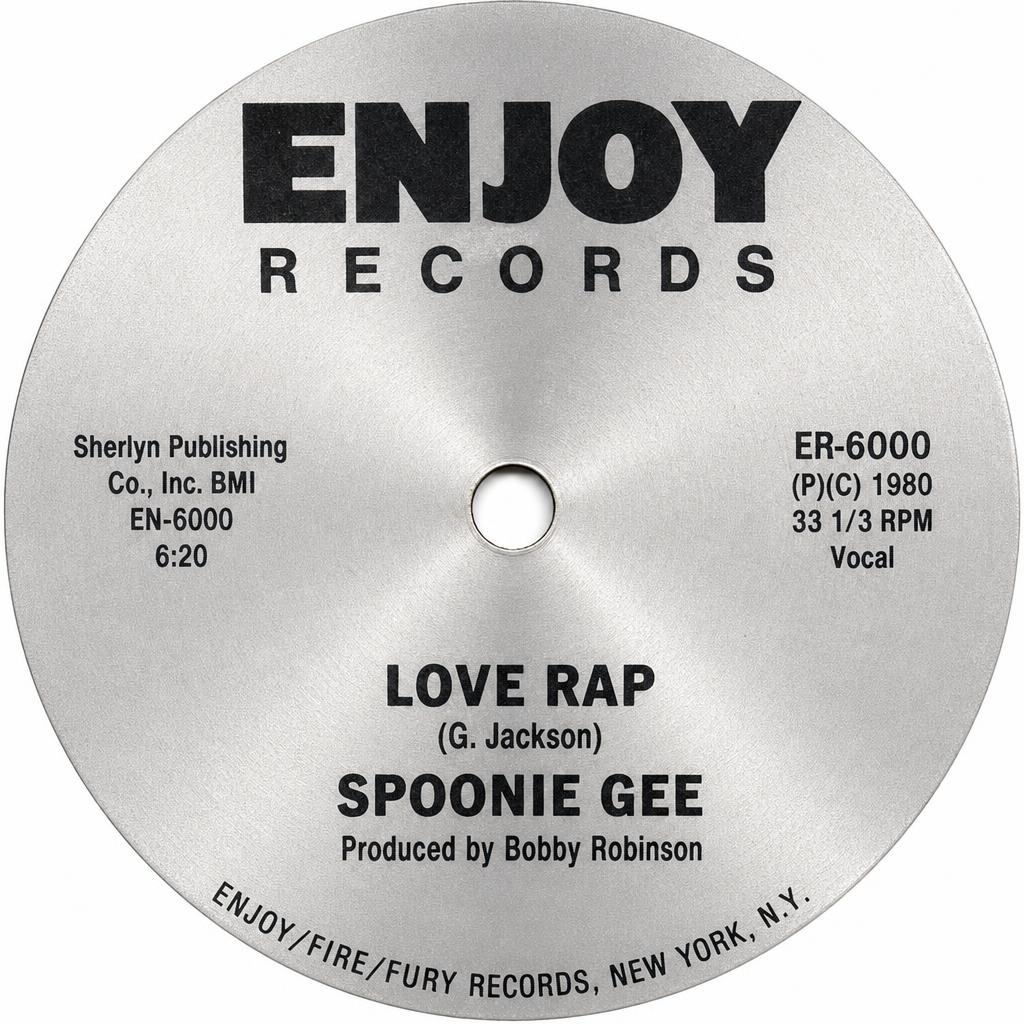
Enjoy Records
Bobby Robinson's Harlem record shop that pressed the first generation of MCs.
- Founded
- 1962
- Founders
- Bobby Robinson
- Base
- 125th Street & 8th Ave, Harlem, New York City
- Status
- Closed in 1987; Robinson's record shop stayed open
Before rap had an industry, it had a storefront. Enjoy Records was run out of Bobby Robinson's record shop on 125th Street in Harlem, and when the block-party tapes started outselling everything else on the counter, Robinson simply did what he had been doing since the 1950s — he put the neighborhood on wax.
A blues man who heard the future
Bobby Robinson founded Enjoy Records in 1962, decades before anyone said the word 'hip hop'. He was already a veteran independent operator, cutting blues, R&B and rock and roll sides across a string of Harlem labels, and Enjoy was the imprint he ran out of his own store at 125th Street and 8th Avenue.
That storefront is the whole story. Robinson stood behind the counter and heard, in real time, what kids were asking for. When customers began requesting records of routines they had only heard on cassette dubs from the Bronx, he recognized the demand before the majors knew it existed.
1979: the label turns to rap
Beginning in 1979 — the same year 'Rapper's Delight' broke nationally — Enjoy started recording the original old-school hip hop groups and MCs. Grandmaster Flash and the Furious Five, the Funky 4 + 1, Spoonie Gee and the Treacherous Three all cut early sides for the label.
Enjoy's records were raw by design: live band vamps, long single takes, crews trading routines the way they did in a park or a gym. They document rap as a performance tradition rather than a pop format, which is exactly why crate diggers still hunt them.
The farm team for a whole industry
Enjoy rarely kept its artists. Flash and the Furious Five, the Funky 4 + 1 and the Treacherous Three each moved on to bigger deals — most famously to Sugar Hill — after their Enjoy debuts. Robinson was, in effect, hip hop's first A&R scout, and the labels that followed built empires on acts he found first.
The label wound down in the mid-1980s and closed in 1987. Robinson kept the shop. The catalog, later collected on compilations such as 'The Best of Enjoy! Records', remains the closest thing we have to a field recording of rap's first professional year.
Essential cuts
1979
Superrappin'
Grandmaster Flash & the Furious Five
Nearly nine minutes of crew routine — the group's debut single.
1979
Rappin' and Rocking the House
Funky 4 + 1
One of the earliest records to feature a woman MC in a crew.
1979
Spoonin' Rap
Spoonie Gee
The blueprint for the solo MC as a character and storyteller.
1980
The New Rap Language
Treacherous Three with Spoonie Gee
Speed-rap technique that pushed cadence years ahead of the field.
On the roster
- Grandmaster Flash & the Furious Five
- Funky 4 + 1
- Spoonie Gee
- Treacherous Three
- Kool Kyle
- Doug E. Fresh (early sides)